Top Notch
Healthcare


When people think of testosterone, they usually think of men. Did you know that women also produce and need testosterone for optimal health? Testosterone plays a crucial role in energy levels, mood, muscle mass, bone health, and sexual function in both sexes. As women age, especially after menopause, testosterone levels decline—sometimes dramatically. This is where Testosterone Replacement Therapy (TRT) enters the conversation.
Though controversial and often misunderstood, TRT for women is gaining attention in medical and wellness communities. This article breaks down the benefits, risks, and ongoing debates surrounding testosterone therapy for women.
Women naturally produce testosterone in the ovaries and adrenal glands, though in much smaller amounts than men. These levels peak in early adulthood and begin to decline steadily by age 30. By the time menopause hits, testosterone levels may be just a fraction of what they once were.
Common causes of low testosterone in women include:
Symptoms of low testosterone in women:
If these symptoms sound familiar, TRT may be worth exploring with a healthcare provider.
Though not universally recommended, TRT can offer substantial benefits for some women when prescribed and monitored appropriately.
Low testosterone is linked to sluggishness, depression, and irritability. Many women on TRT report feeling more energetic, motivated, and emotionally balanced.
One of the most cited benefits is an increase in sexual desire and improved satisfaction. Testosterone therapy can improve arousal, lubrication, and orgasm quality.
Testosterone supports lean muscle mass and physical endurance. Women on TRT often find it easier to maintain a healthy weight and improve body composition.
Testosterone helps protect against bone loss, reducing the risk of osteoporosis and fractures, especially post-menopause.
Some women experience reduced “brain fog” and greater cognitive clarity with properly dosed TRT.
As with any hormonal treatment, TRT carries potential risks and side effects, particularly if not properly monitored.
This is a common side effect when testosterone levels are too high.
These side effects are usually dose-dependent and can be addressed with dosage adjustments.
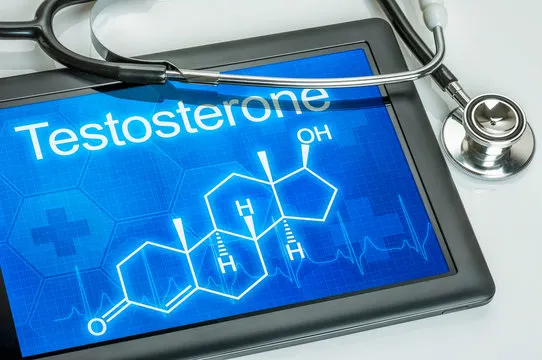
TRT in women remains a topic of heated debate in the medical world.
Women can receive testosterone through various delivery methods, including:
Most providers aim to keep testosterone levels in the upper-normal range for women, never approaching male levels.
NOTE: TIER 1 HEALTH & WELLNESS DOES NOT OFFER OR RECOMMEND INJECTIONS, PELLETS, PATCHES OR SPRAYS. TIER 1 ONLY RECOMMENDS TOPICAL CREAM FOR WOMENS TRT TREATMENT.
TRT is safe when properly prescribed and monitored by a knowledgeable physician. Unwanted effects are dose dependent and easily manageable.
Some women notice changes within a few weeks to months, depending on symptoms. Full benefits may take 6 months – 1 year. Results will vary by consistency. Consistency is a key role in treatment.
Yes, you must take TRT as long as you want the benefits from it.
Yes, peri-menopausal as well as menopausal women may benefit from TRT.
A comprehensive hormone panel should be preformed. Lab test ordered are very individualize and should be determined by a qualified professional.
Yes. To get the maximum result from trt and/or hrt all hormones should be evaluated.
TRT for women isn’t a miracle cure—but for those suffering from unexplained fatigue, mood dips, or loss of libido, it can be a game-changer. Like all medical decisions, it comes down to personalized care. The benefits can be life-enhancing if managed through regular testing and oversight.
Before starting TRT, have an open conversation with a trusted healthcare provider. Get your hormone levels tested and weigh your options. With the right guidance, TRT may just help you feel like yourself again.
Contact Tier1 Health & Wellness for reliable information on hormone health and treatment options for women.